
I Wish I Knew This Then
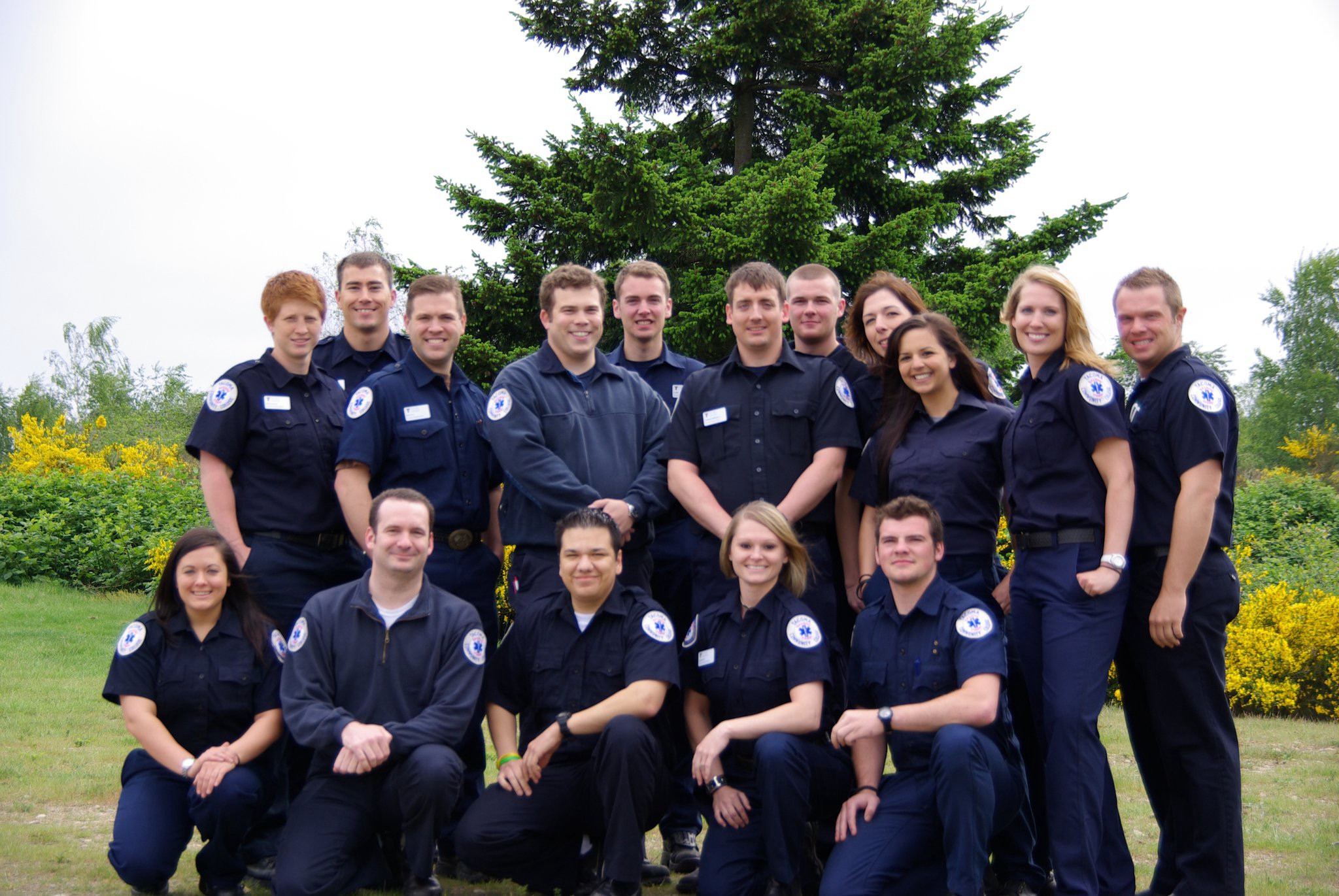
So, there you are, finishing EMT or paramedic school. What have you learned? More importantly, what have you actually retained? Well, you actually know a lot. Some say you’ve learned just enough to be dangerous. Your inner self may say you can pull up your pants but can’t quite tie your shoes. It isn’t just you; it happens to all of us. To this day, I feel as though I struggle with a lack of knowledge as well as overall self-confidence issues. I write this because everyone should know we are all in the same boat. Let me hand out some of my quick tips and tricks that helped me early in my career as a paramedic—and, frankly, that I still use today.
Rule Numero Uno: DO NOT Expect to Diagnose Everyone!
We as “type A” individuals have this overwhelming feeling that we must finish all tasks in their entirety and make sure they all turn out perfectly. The problem is that reality strikes down and beats that ambition to a pulp when your patient’s presentation makes you question everything you’ve ever learned about EMS.
Here’s the deal: we’re not expected to diagnose every patient. We are not physicians, and our job isn’t to provide a definitive diagnosis. Instead, our only goal is to keep our patients the same—or make them better.
How do we do this? Stick with your ABCs. Manage their signs and symptoms while staying within your scope. There will be times you know exactly what’s going on, but more often than not, it’s about stabilization and symptom management. Focus on the patient’s best interests, and you’ll go far!
I want to take a moment to highlight one of the most valuable resources for paramedics: Nancy Caroline’s Emergency Care in the Streets. This book was a cornerstone of my paramedic education, and I’ll admit, I’m a little biased. One of the editors, Mike Smith, was not only my instructor but also a mentor who profoundly shaped my career.
Having had the privilege of learning directly from someone who helped create this resource, I can confidently say that this book is an exceptional foundation for anyone entering the field. It’s thorough, well-structured, and provides practical knowledge that every paramedic can benefit from. Whether you’re just starting out or looking to revisit the fundamentals, I highly recommend adding this to your library.
Rule #2: Build a Safety Net
This one is big. Think of a safety net as a mental framework to approach every single call. When I hear my patient is complaining of chest pain, my mind goes into global thinking mode: what kinds of things can kill or seriously injure a person presenting with chest pain? Pulmonary embolism? Pneumothorax? Epigastric pain? Abdominal aortic aneurysm?
It’s not always coronary artery disease. Think BIG. Build a massive net of differential diagnoses, then start working through them systematically, ruling them in or out one by one.
Why does this matter? By building a wide safety net, you reduce the likelihood of missing critical conditions. For example, imagine a diabetic patient with a history of stroke who is currently suffering from a urinary tract infection (UTI)—all of which can cause altered mental status. It’s tempting to go with the simplest explanation, like a UTI, but we need to consider the whole picture. Diabetes could be a factor, and a stroke is a possible rapid transport scenario. When we think globally, we prioritize by ruling out the most critical conditions first.
I’ve found “Paramedic Care: Principles & Practice” to be an invaluable resource for helping develop this kind of systematic thinking.
Avoid Tunnel Vision
A safety net also protects us from tunnel vision. Let’s say you assume a UTI because it’s blatantly obvious and the patient mentions needing to follow up with their primary care provider. What if that same patient also fell recently, is on anticoagulants, and is suffering from a head bleed?
Yes, this is an extreme case, but it illustrates an important point: we can miss critical details if we focus only on the most obvious explanation. Casting a wide safety net allows us to stay alert for other possibilities.
For quick guidance in the field, I always keep an EMS Field Guide: ALS Version handy It’s one of my go-to resources for fast, actionable information when the stakes are high.
Gear Up with the Right Tools
The tools you carry can make all the difference in your ability to stay prepared and confident. Here are a few I recommend:
•3M Littmann Master Cardiology Stethoscope – Exceptional sound clarity and durability. I purchased this personally when I started paramedic school and it has been through a lot. I love how durable it is (I have accidentally slammed it in an ambulance door) and it still keeps working incredibly!
•Leatherman Raptor Shears – A multi-tool that includes trauma shears, a strap cutter, and a glass breaker. I love these shears! I have used them to cut barb wire when a car was all wrapped up in it. I like these as opposed to the knock-off versions because the warrantee on these is way better and they are just built better overall.
•Milwaukee Fastback Knife – I love how versatile this knife is for all of my needs. It has a Phillips and flathead screwdriver and I use it every day!
These are staples in my kit and have saved me time and effort on countless calls.
Remember the Basics
Whether you’re fresh out of the gates of school or have been around the block for a few years, these tips could still hold value for you. At their core, they’re about simplifying your approach to patient care:
1.Utilize your tools.
2.Trust your team and the people around you.
3.Fall back on the basics—your ABCs—when in doubt.
EMS is a constant learning experience. You won’t always have all the answers, and that’s okay. What matters is that you approach every patient with care, critical thinking, and a willingness to learn. Build your safety net, keep your patient’s best interests in mind, and remember: you’ve got this.
Quick List of Recommendations
Here are some tools and resources I’ve personally used and recommend to help you stay sharp and confident in your EMS journey:
1.Nancy Caroline’s Emergency Care in the Streets
2.“Paramedic Care: Principles & Practice”
3.EMS Field Guide: ALS Version
4.“Rapid Interpretation of EKG’s” by Dale Dubin
5. 3M Littmann Classic III Stethoscope
Stay safe out there!
Brandon Heggie
Disclaimer
This post contains affiliate links, meaning I earn a small commission at no additional cost to you if you choose to purchase through these links. These are tools, books, and resources that I have personally used and found helpful throughout my career in EMS. The proceeds from these commissions go directly toward supporting the growth of this blog, website, and the creation of more training resources for EMS providers. Thank you for your support!



This should REQUIRED reading for EMS. Where was this info 35 years ago when I was a newbie? Great job!